Mastering Pig Farming SVG Cut Files for Professional DIY Results
The rise of digital crafting has transformed how creators approach handmade goods, turning simple design files into lucrative product lines. Among the trending niches, agricultural and rustic themes have gained significant traction. Specifically, Pig Farming Svg Svg Cut Files offer a unique blend of charm and utility that appeals to a wide demographic. Whether you are designing for a rural homestead, a family reunion, or a boutique farm-to-table brand, these vector graphics provide the foundational art needed for high-quality physical products. However, possessing the file is only half the battle; understanding how to properly utilize, scale, and apply these designs is what separates amateur attempts from professional-grade merchandise.
Understanding the Value of Vector Formats in Crafting
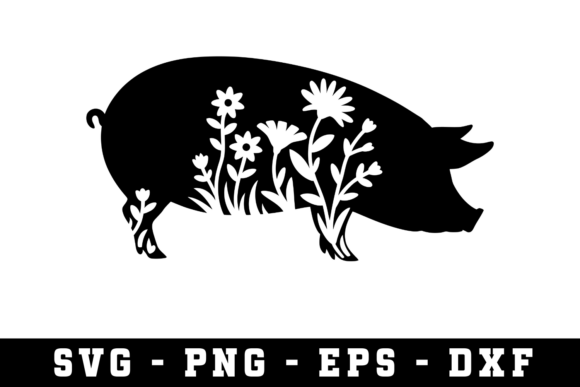
When you purchase a digital asset like the ones found in our shop, you are not just buying an image; you are investing in versatility. The listing includes a ZIP folder containing multiple formats: SVG, PNG, EPS, and DXF. Each format serves a distinct purpose in the crafting ecosystem. The SVG (Scalable Vector Graphics) file is the gold standard for cutting machines like Cricut and Silhouette because it uses mathematical paths rather than pixels. This means you can resize your pig farming design from a tiny ornament to a large barn sign without losing any clarity or sharpness.
A common misunderstanding among beginners is assuming that all image files behave the same way. Using a PNG for a vinyl cut, for example, often leads to jagged edges and wasted material because the software cannot distinguish between the background and the subject as cleanly as it does with vector data. By prioritizing the SVG format for cutting projects and reserving PNGs for sublimation or direct printing, you ensure crisp lines and efficient material usage. This distinction is crucial for maintaining profitability in a handmade business where material waste directly eats into margins.
Avoiding Common Design and Application Pitfalls
One of the most frequent errors creators make when working with themed cut files is ignoring the complexity of the design relative to the material. Pig farming illustrations often include intricate details such as fence posts, straw textures, or facial features on the animals. While these details look stunning on a screen, they can be notoriously difficult to weed if you are using heat transfer vinyl (HTV) or adhesive vinyl.
If you attempt to cut a highly detailed SVG on standard adhesive vinyl without adjusting your blade depth or speed settings, you may find yourself spending more time picking out tiny scraps than actually creating the product. A better approach is to simplify the design for smaller applications. For instance, if you are making a tumbler wrap, consider using a simplified version of the pig icon rather than the full scene with text and background elements. Save the complex, multi-layered compositions for larger surfaces like wood signs or canvas totes where the details can be appreciated and are easier to handle.
Another overlooked detail is color separation. Many pig farming SVGs come with multiple layers intended for different colors. If you are new to layering vinyl, rushing this process can result in misalignment. Take the time to use registration marks or carefully align each layer on your mat before pressing. For beginners, starting with single-color designs allows you to master the weeding and application process before tackling multi-layered projects.
Technical Preparation and File Management
Before you can start creating, you must successfully access your files. A frequent point of frustration for new buyers is the inability to open the downloaded package. The listing includes a ZIP folder, which is a compressed archive containing all the necessary formats. To unzip the files, you will need software such as WinZip or 7-Zip. You can download this software for free from their websites. Once you have installed the software, right-click on the zip file and select “Extract All” or “Extract Here”. You will then see the files in a folder.
Failing to extract the files properly often leads to users trying to upload the ZIP file directly into their cutting software, which will result in an error. Always ensure you are working with the individual SVG or DXF files after extraction. Additionally, keep your original ZIP file stored in a cloud backup or external drive. Digital organization is a hallmark of a professional creator; losing your source files can halt production unexpectedly.
Maximizing Product Versatility
The true power of Pig Farming Svg Svg Cut Files lies in their adaptability across various mediums. Welcome to my shop SVG Cut File is perfect for all your DIY projects or handmade business product lines. You can create T-shirts, Wood Signs, Mugs, Tumblers, Ornaments, Cards, Party Décor, and more for yourself and others. However, each medium requires specific preparation techniques to ensure durability and aesthetic appeal.
- Wood Signs: When applying vinyl to wood, ensure the surface is sanded smooth and sealed. Rough grain can prevent adhesion, causing the design to peel over time. Use a paint stencil method if the wood is too textured for vinyl.
- Tumblers and Mugs: Sublimation requires high-quality PNG files at 300 DPI. Ensure your design is mirrored if necessary and that the color profile matches your printer’s capabilities to avoid dull or washed-out colors.
- T-Shirts: For fabric, HTV is the preferred choice. Remember that HTV must be mirrored before cutting. Also, consider the stretch of the fabric; intricate designs may crack if placed over areas that stretch significantly, such as the chest area of a fitted tee.
By matching the file format to the correct application method, you enhance the longevity of your products. Customers are more likely to return and recommend your business if your items withstand washing and daily use. This attention to detail builds trust and establishes your brand as a reliable source for quality handmade goods.
Evaluating Quality Before Purchase
Not all digital files are created equal. When browsing for assets, look for shops that provide preview images showing the design at different scales. Check if the seller offers support or tutorials, as this indicates a commitment to customer success. High-quality SVGs should have clean nodes and no stray points, which ensures smooth cutting paths. Poorly constructed vectors can cause your cutting machine to stutter or cut incorrectly, leading to frustration and wasted supplies.
Furthermore, consider the licensing terms. Most personal use licenses allow you to create items for yourself or as gifts, but commercial use often requires an extended license. Always read the terms carefully to ensure you are compliant, especially if you plan to sell products featuring these designs on platforms like Etsy or at local craft fairs. Respecting intellectual property rights protects your business from legal issues and supports the designers who create these valuable resources.
In conclusion, leveraging Pig Farming Svg Svg Cut Files effectively requires a blend of technical knowledge, artistic judgment, and practical preparation. By avoiding common mistakes related to file formats, material selection, and application techniques, you can elevate your crafting projects from simple hobbies to professional endeavors. Take the time to learn the nuances of your tools and materials, and you will find that these digital assets become indispensable components of your creative toolkit.