Where Love Blooms – Romantic Vintage Art: A Strategic Asset for Brand Storytelling
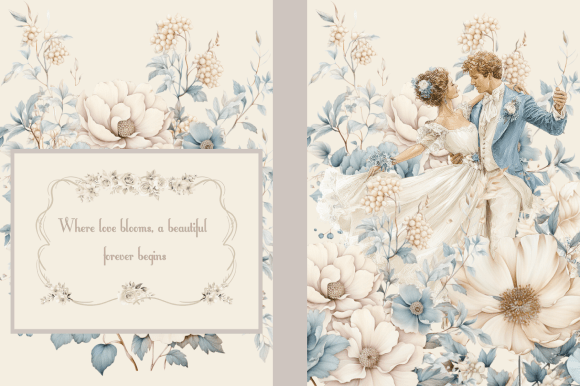
In the crowded landscape of digital and print media, visual assets are not merely decorative elements; they are communication tools that convey values, evoke emotion, and establish brand identity. Where Love Blooms – Romantic Vintage Art represents more than a simple illustration of a dancing couple. It is a carefully curated visual narrative that blends classic European aesthetics with modern design sensibilities. For entrepreneurs, designers, and content creators, understanding how to leverage this specific style of artwork can significantly enhance the emotional resonance of marketing materials, product packaging, and customer communications.
The strategic value of this artwork lies in its ability to bridge the gap between nostalgia and contemporary elegance. By featuring a graceful couple in a tender dance surrounded by soft blooming florals, the image taps into universal themes of devotion, patience, and timeless beauty. When used intentionally, Where Love Blooms – Romantic Vintage Art can elevate a brand’s perceived quality, soften corporate messaging, and create a memorable visual anchor for romantic or luxury-oriented campaigns.
Understanding the Psychological Impact of Vintage Aesthetics
Consumer psychology suggests that vintage-inspired designs often trigger feelings of trust, stability, and authenticity. In an era of rapid technological change and disposable trends, the refined details and pastel tones found in Where Love Blooms – Romantic Vintage Art offer a sense of permanence. The flowing fabrics and harmonious floral compositions do not just look pleasing; they signal a commitment to craftsmanship and attention to detail.
For small business owners and marketers, this psychological association is crucial. When a customer encounters this type of imagery on a wedding invitation or a luxury product label, they subconsciously associate the brand with the qualities depicted in the art: grace, care, and enduring value. This is not about mimicking the past but rather leveraging the emotional weight of historical aesthetics to build present-day credibility. The dreamy, feminine touch of the surrounding blossoms adds a layer of softness that can make a brand feel more approachable and human-centric.
Strategic Applications Across Industries
To maximize the return on investment for creative assets, one must align the visual style with specific business goals. Where Love Blooms – Romantic Vintage Art is versatile, but its effectiveness depends on context. Below are key sectors where this aesthetic delivers measurable results:
- Wedding and Event Planning: This is the most direct application. The artwork’s depiction of a couple frozen in a moment of connection makes it ideal for save-the-dates, invitations, and program covers. It sets a tone of elegance and intimacy before the event even begins.
- Luxury Retail and Branding: Brands selling jewelry, perfumes, or high-end textiles can use this art to reinforce narratives of heritage and romance. Placing this image on packaging or social media campaigns can differentiate a product from competitors who rely on minimalist or industrial designs.
- Publishing and Stationery: For journals, greeting cards, and scrapbooking supplies, the intricate details provide visual interest that encourages tactile engagement. Consumers often choose products that reflect their self-image; this art appeals to those who value tradition and artistic expression.
- Hospitality and Decor: Boutique hotels and cafes aiming for a cozy, sophisticated atmosphere can use prints of this artwork in lobby spaces or dining areas. It contributes to an environment that encourages guests to slow down and appreciate the moment.
Planning Your Visual Integration
Successful implementation requires more than simply placing an image on a page. It demands a thoughtful approach to composition, color harmony, and medium. Before integrating Where Love Blooms – Romantic Vintage Art into your project, consider the following planning steps:
- Define the Emotional Goal: Are you trying to evoke nostalgia, celebrate a milestone, or suggest luxury? Clarifying the primary emotion will help you decide how prominently to feature the artwork and what accompanying text to use.
- Assess Color Compatibility: The soft pastel tones and delicate hues of the artwork require a complementary background. Avoid clashing bright colors that might overpower the subtle details of the florals and fabrics. Neutral backgrounds or muted earth tones often work best to let the art breathe.
- Choose the Right Medium: The refined details of the illustration shine in high-resolution print formats. If using digitally, ensure the file quality is optimized for various screen sizes without losing the intricacy of the leaves and blossoms. For physical products like wall art or cards, consider paper textures that enhance the vintage feel, such as matte or textured stock.
- Maintain Visual Hierarchy: While the artwork is striking, it should support your core message, not distract from it. Use whitespace effectively to frame the couple and the florals, ensuring that text remains legible and the call-to-action is clear.
Risks of Misaligned Usage
Even the most beautiful asset can fail if used without strategic intent. One common risk is contextual dissonance. Using Where Love Blooms – Romantic Vintage Art for a tech startup promoting speed and efficiency may confuse the audience, as the visual language suggests slowness and reflection. Similarly, overusing such ornate designs in a minimalist brand ecosystem can dilute brand recognition and appear inconsistent.
Another consideration is audience alignment. While the aesthetic has broad appeal, it specifically resonates with demographics that value tradition and romanticism. If your target market skews heavily toward ultra-modern or avant-garde preferences, this style may feel outdated rather than classic. Therefore, it is essential to analyze customer personas before committing to this visual direction. Conducting A/B testing with different visual styles can provide data-driven insights into whether this artwork drives higher engagement and conversion rates for your specific offering.
Enhancing Creativity and Productivity
For designers and creative enthusiasts, having access to high-quality, pre-composed assets like Where Love Blooms – Romantic Vintage Art can streamline the production process. Instead of spending hours sourcing individual elements and attempting to compose a cohesive scene, creators can focus on layout, typography, and messaging. This efficiency allows for faster iteration and quicker time-to-market for seasonal campaigns or limited-edition products.
Moreover, this artwork serves as a creative springboard. The themes of dance, flora, and vintage attire can inspire broader campaign ideas, from copywriting angles that emphasize "timeless moments" to product bundles that pair well with the aesthetic. By anchoring a project in a strong visual concept, teams can maintain consistency across multiple touchpoints, from social media posts to email newsletters.
Long-Term Value and Brand Equity
Investing in timeless design yields long-term dividends. Unlike trendy graphics that may look dated within a year, the classic European charm of Where Love Blooms – Romantic Vintage Art possesses staying power. This longevity supports brand equity by creating a recognizable visual signature that customers associate with quality and reliability over time.
When used consistently in branding projects, this artwork helps build a cohesive brand story. It signals to customers that the business values beauty, thoughtfulness, and emotional connection. These are intangible assets that contribute to customer loyalty and word-of-mouth referrals. In a marketplace where consumers are increasingly discerning about the brands they support, aligning with an aesthetic that conveys warmth and elegance can be a decisive competitive advantage.
Ultimately, the decision to use Where Love Blooms – Romantic Vintage Art should be driven by a clear understanding of your brand’s voice and your audience’s expectations. It is not just a picture; it is a strategic tool for communicating values, enhancing user experience, and driving meaningful engagement. By approaching its use with intention and planning, you can transform a simple illustration into a powerful component of your broader business strategy.