Integrating Classic Gray Plaid Papers into Your Creative Workflow
In the fast-paced world of digital design and physical crafting, consistency is often the hardest element to maintain. Whether you are a small business owner creating branded stationery, a teacher developing classroom materials, or a hobbyist assembling a junk journal, the foundation of your project determines its final quality. This is where Classic Gray Plaid Papers becomes an essential asset in your creative toolkit. It is not merely a collection of images; it is a structured resource designed to streamline the background selection process, allowing you to focus on composition, messaging, and aesthetic cohesion.
Understanding how to effectively integrate these digital assets requires looking beyond the download button. It involves recognizing where high-quality textures fit into your broader production pipeline. From initial concept planning to final output for sublimation or print, these papers serve as a versatile layer that supports rather than overwhelms your primary content.
The Role of Neutral Textures in Design Planning
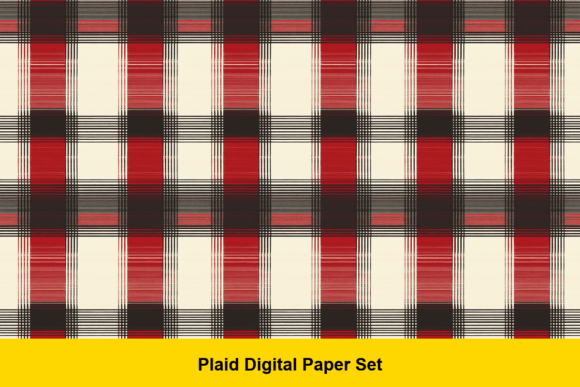
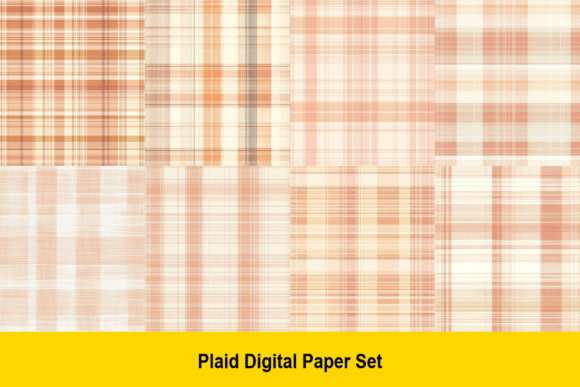
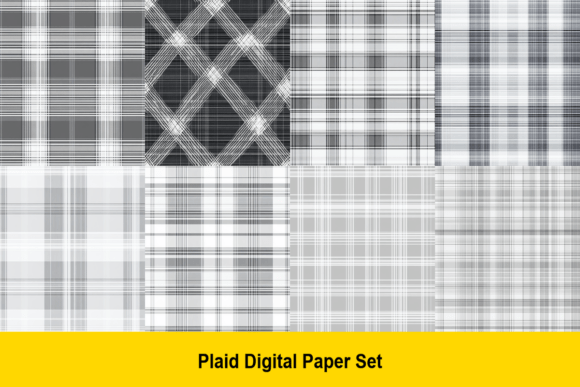
Before diving into the technical aspects of file usage, it is important to understand the strategic value of neutral patterns. Bright colors and complex illustrations often demand immediate attention, which can distract from the core message of a design. Classic Gray Plaid Papers offers a subdued, sophisticated alternative. The gray plaid pattern provides structure without noise, creating a visual anchor that allows other elements—such as typography, photographs, or hand-drawn illustrations—to stand out clearly.
For professionals and entrepreneurs, this translates to faster decision-making during the design phase. Instead of spending hours searching for the perfect background or attempting to create one from scratch, you have a ready-to-use solution that aligns with modern minimalist trends. This efficiency is crucial for maintaining productivity, especially when managing multiple client projects or tight deadlines. By standardizing your background choices with a coordinated set, you ensure brand consistency across various touchpoints, from social media graphics to printed packaging.
Technical Specifications and Quality Control
A common pitfall in digital crafting is using low-resolution assets that appear pixelated when printed or scaled. The Classic Gray Plaid Papers collection addresses this by providing files at 300 DPI (dots per inch). This resolution is the industry standard for high-quality printing, ensuring that lines remain crisp and textures appear smooth, whether you are printing on standard home printer paper or premium cardstock.
The large canvas sizing included in the download is another critical feature for workflow flexibility. Large files allow for significant cropping and resizing without losing detail. This means you can use a single sheet to create multiple smaller elements, such as journal cards, tags, or die-cut shapes, while maintaining integrity. For digital users working in software like Procreate or Photoshop, this extra space provides room for non-destructive editing, allowing you to experiment with layout compositions without being constrained by file boundaries.
When evaluating usability, consider the format. The collection comes in high-quality JPG files, which are universally compatible. This eliminates the need for specialized software just to view or open the assets. You can drag and drop these files directly into Canva, Microsoft Word, Adobe Illustrator, or any other platform you prefer. This compatibility reduces friction in your workflow, making the transition from idea to execution seamless.
Implementation Across Different Creative Channels
The versatility of Classic Gray Plaid Papers allows it to function effectively at various stages of a project. Here is how you can integrate these assets into specific workflows:
For Junk Journaling and Paper Crafting
In the realm of physical crafting, texture adds depth and tactile interest. These papers can be printed and used as full-page backgrounds for journal spreads. The subtle plaid pattern provides a grid-like structure that helps in aligning photos, stickers, and handwritten notes. Alternatively, you can print them on heavier cardstock and cut them into pockets, flaps, or layered elements. The neutral gray tone pairs exceptionally well with vintage ephemera, dried flowers, and metallic accents, creating a cohesive aesthetic that feels curated rather than chaotic.
For Sublimation and Product Design
Small business owners who utilize sublimation printing will find these papers invaluable for creating custom merchandise. The high resolution ensures that the plaid pattern transfers cleanly onto mugs, tote bags, and apparel. Because the design is seamless or appropriately tiled, you can cover larger surfaces without visible breaks in the pattern. This is particularly useful for creating coordinated product lines, such as matching notebook covers and pencil cases. The professional finish of the print enhances the perceived value of your end products, supporting higher price points and customer satisfaction.
For Digital Layouts and Educational Materials
Educators and bloggers can use these backgrounds to create visually appealing worksheets, planners, and blog headers. The clean lines of the plaid pattern help organize information, making it easier for students or readers to follow structured content. In Canva or similar tools, you can set the paper as the background layer and overlay text boxes with semi-transparent white or colored fills to ensure readability. This method creates a polished, professional look that elevates simple documents into engaging visual resources.
Workflow Tips for Maximum Efficiency
To get the most out of your Classic Gray Plaid Papers, consider adopting a few organizational habits. First, create a dedicated folder on your computer or cloud storage specifically for digital papers. Within this folder, you might further categorize by color or theme if you expand your library later. This prevents time wasted searching through mixed downloads when inspiration strikes.
Second, establish a template library. If you frequently create similar items, such as weekly planners or gift tags, set up master files in your preferred design software with the plaid paper already imported and sized. This reduces repetitive tasks and ensures consistency across all your creations. For example, in Photoshop, you can save a PSD file with the background layer locked and separate layers for text and images ready to go.
Third, test your printing settings. While the files are optimized for 300 DPI, the final output depends on your printer and paper choice. Conduct test prints on different paper weights to see how the ink interacts with the texture. Matte paper often enhances the subtle details of digital textures, while glossy paper may add unwanted glare. Understanding these variables helps you achieve the desired outcome consistently.
Licensing and Commercial Use Considerations
For entrepreneurs and small shop owners, understanding licensing terms is vital for legal compliance and business sustainability. The Classic Gray Plaid Papers collection comes with clear usage rights: unlimited personal printing and allowance for small business use in physical end products. This means you can incorporate these designs into items you sell, such as handmade journals, printed stationery, or sublimated goods, provided you are the one creating the final physical product.
However, it is important to note what is not allowed. Typically, you cannot resell the digital files themselves or distribute them as standalone digital assets. Always review the specific license agreement included with your download to ensure full compliance. Respecting these boundaries protects your business reputation and supports the creators who develop these resources.
Long-Term Value and Adaptability
Investing in high-quality digital assets like Classic Gray Plaid Papers is a long-term strategy. Unlike trend-heavy designs that may look dated within a year, classic plaid patterns remain timeless. This longevity means you can return to these files months or even years later, and they will still feel relevant and professional. This adaptability reduces the need for constant new purchases, offering better value over time.
Furthermore, these papers serve as a learning tool for those new to design. By studying how the pattern interacts with other elements, you can develop a better eye for balance, contrast, and hierarchy. Over time, this enhances your overall design skills, making you more efficient and confident in your creative decisions.
In conclusion, integrating Classic Gray Plaid Papers into your workflow is about more than just adding a background. It is about enhancing efficiency, ensuring quality, and maintaining a professional aesthetic across all your projects. By understanding the technical specifications, exploring diverse applications, and adhering to best practices for organization and licensing, you can transform this digital collection into a cornerstone of your creative process. Whether you are crafting for joy or building a brand, these tools provide the reliable foundation needed to bring your visions to life with clarity and style.