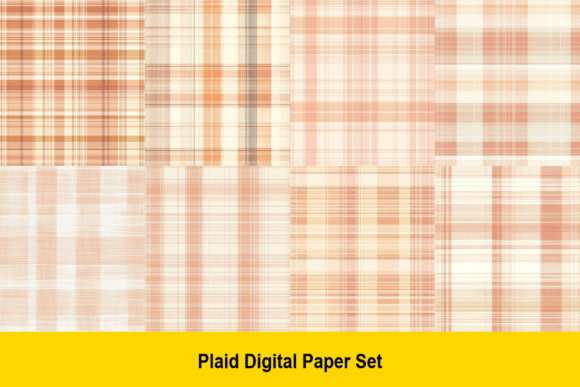
Integrating Soft Peach Plaid Papers into Your Creative Workflow
In the fast-paced world of digital design and physical crafting, consistency is often the hardest element to maintain. Whether you are a small business owner creating branded packaging, a teacher designing classroom materials, or a hobbyist assembling a junk journal, the visual foundation of your project dictates its perceived quality. This is where Soft Peach Plaid Papers becomes an essential asset in your creative toolkit. It is not merely a collection of images; it is a structured resource designed to streamline the background creation process, allowing you to focus on composition and content rather than starting from a blank canvas.
Understanding how to effectively integrate these digital assets into your existing workflow can significantly reduce production time while elevating the aesthetic appeal of your final output. By treating these papers as modular components of a larger design system, you can achieve professional results across various mediums, from sublimation prints to digital social media graphics.
The Role of High-Quality Backgrounds in Design Efficiency
Many creators underestimate the time spent searching for or creating suitable backgrounds. A generic search often yields low-resolution images or patterns that clash with foreground elements. The Soft Peach Plaid Papers collection addresses this bottleneck by providing a coordinated set of high-quality JPG files at 300 DPI. This resolution is critical because it ensures that the textures remain crisp whether you are printing a small journal card or a large wall art piece.
When you have a reliable source of versatile backgrounds, you eliminate the decision fatigue associated with color matching and texture selection. The soft peach hue offers a neutral yet warm base that complements a wide range of color palettes, from earthy tones to vibrant primaries. This versatility means you do not need to switch between multiple paper packs for different projects. Instead, you can standardize your background sourcing, which is a key principle in efficient workflow management.
Preparation and Organization for Seamless Use
Before diving into a specific project, proper organization of your digital assets is crucial. Upon downloading the Soft Peach Plaid Papers, take a few minutes to organize the files in a dedicated folder within your cloud storage or local drive. Labeling them clearly—for example, by pattern density or shade variation—can save valuable minutes during the heat of a creative session.
Consider the compatibility of these files with your primary software. Since the collection consists of standard JPG formats, they are universally compatible with industry-standard tools like Adobe Photoshop, Procreate, and Canva, as well as basic viewers and printers. This universal compatibility ensures that you are not locked into a specific ecosystem, giving you the flexibility to switch tools based on the task at hand without worrying about file conversion issues.
Implementation in Physical Crafting and Sublimation
For paper crafters and junk journal makers, the utility of these papers extends beyond simple printing. The large canvas sizing allows for significant cropping and resizing, which is essential when creating custom die-cut shapes or torn-edge collage layers. Here is how you might integrate them into a physical crafting workflow:
- Base Layers: Print the full-page textures on high-quality cardstock to serve as the foundation for scrapbook pages. The subtle plaid pattern provides structure without overwhelming photos or handwritten notes.
- Pockets and Envelopes: Use the seamless textures to print custom pockets. The consistent pattern ensures that even when folded, the design remains cohesive.
- Sublimation Projects: If you own a sublimation printer, these 300 DPI files are ideal for transferring designs onto mugs, tote bags, or fabric. The soft peach tone translates well onto white or light-colored substrates, creating a vintage or shabby-chic aesthetic that is currently popular in handmade markets.
It is important to perform a test print before committing to a large batch. Check your printer’s color settings to ensure the peach tones appear as expected. Different paper stocks absorb ink differently, so adjusting your printer’s density settings may be necessary to achieve the desired vibrancy.
Digital Application and Content Creation
In the digital realm, Soft Peach Plaid Papers serves as a powerful tool for bloggers, marketers, and educators. When creating digital layouts, the goal is often to guide the viewer’s eye without causing visual clutter. These papers provide that balance.
For social media managers, using these textures as backgrounds for quote cards or product announcements can create a recognizable brand aesthetic. In Canva, you can upload the JPGs and use them as page backgrounds. Because the patterns are subtle, text remains highly readable, which is vital for engagement. You can layer additional elements, such as icons or photos, on top of the plaid background to create depth.
Educators and teachers can utilize these papers to design worksheets, certificates, or classroom decor. The calming nature of the soft peach color can help create a welcoming learning environment. Furthermore, because the license allows for unlimited personal printing and small business use for physical end products, you can confidently create and sell educational resources or party printables featuring these designs.
Quality Control and Consistency Across Projects
Maintaining a consistent look across multiple projects is a hallmark of professional design. By relying on a single, high-quality collection like Soft Peach Plaid Papers, you ensure that your outputs share a common visual language. This is particularly important for small shop owners who need to maintain brand identity across various product lines, from stationery to home decor items.
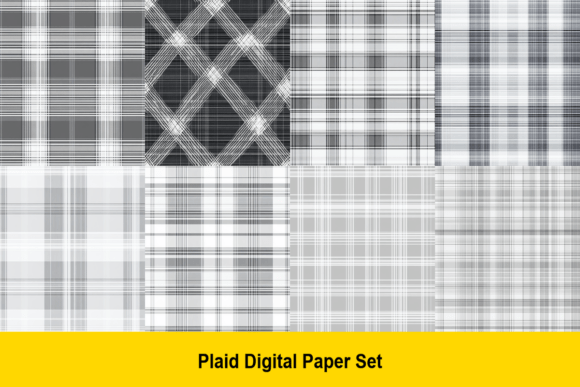
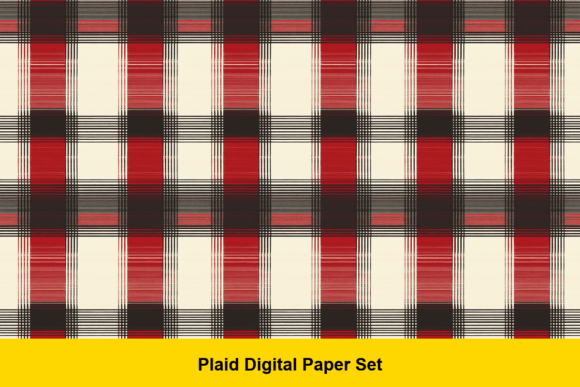
When using these papers in a series of related items, such as a wedding invitation suite or a set of planner stickers, pay attention to the scale of the plaid pattern. Some designs may feature larger checks, while others might have finer lines. Selecting the appropriate scale for the size of the final product is a key aspect of quality control. For smaller items like tags or journal cards, a finer pattern often works better, whereas larger canvases can accommodate bolder checks without looking pixelated or busy.
Maximizing Value Through Versatile Usage
To get the most out of your purchase, think beyond traditional uses. The layered textures and painterly blends included in some sets can be used as masks or overlays in photo editing software. By adjusting the opacity or blending modes, you can add a tactile feel to digital photographs, making them appear as if they were printed on textured paper. This technique is particularly effective for lifestyle bloggers and photographers looking to add a nostalgic touch to their images.
Additionally, consider the long-term value of these assets. Unlike trend-driven designs that may quickly become outdated, the classic plaid pattern in a soft peach hue possesses a timeless quality. This means your investment continues to pay dividends years down the line, as the papers remain relevant for future projects. Building a library of such evergreen resources is a smart strategy for any serious creator.
Final Thoughts on Integration
Integrating Soft Peach Plaid Papers into your workflow is about more than just having pretty backgrounds; it is about optimizing your creative process. By providing high-resolution, versatile, and easy-to-use assets, this collection removes friction from the design phase. Whether you are printing physical goods for your small business or designing digital content for your blog, these papers offer a reliable foundation that enhances both efficiency and aesthetic quality.
Remember to experiment with different applications, from sublimation to digital overlays, to discover the full potential of the collection. With proper organization and a clear understanding of how these assets fit into your broader creative goals, you can elevate your work and streamline your production timeline. The result is a more professional, cohesive, and visually appealing portfolio of work that resonates with your audience and customers.